Exploring South Africa’s Most Celebrated Wine Country
Cape Winelands guide enthusiasts will tell you that no trip to South Africa is truly complete without venturing into the rolling hills, oak-lined streets, and world-class vineyards that define this extraordinary region. Nestled within an hour’s drive from Cape Town, the Cape Winelands offers an intoxicating blend of natural beauty, rich history, culinary excellence, and some of the finest wines produced anywhere on the planet. Whether you’re a seasoned oenophile or simply someone who enjoys a well-paired meal with a beautiful view, this destination has something genuinely remarkable to offer.
—
What Makes the Cape Winelands So Special?
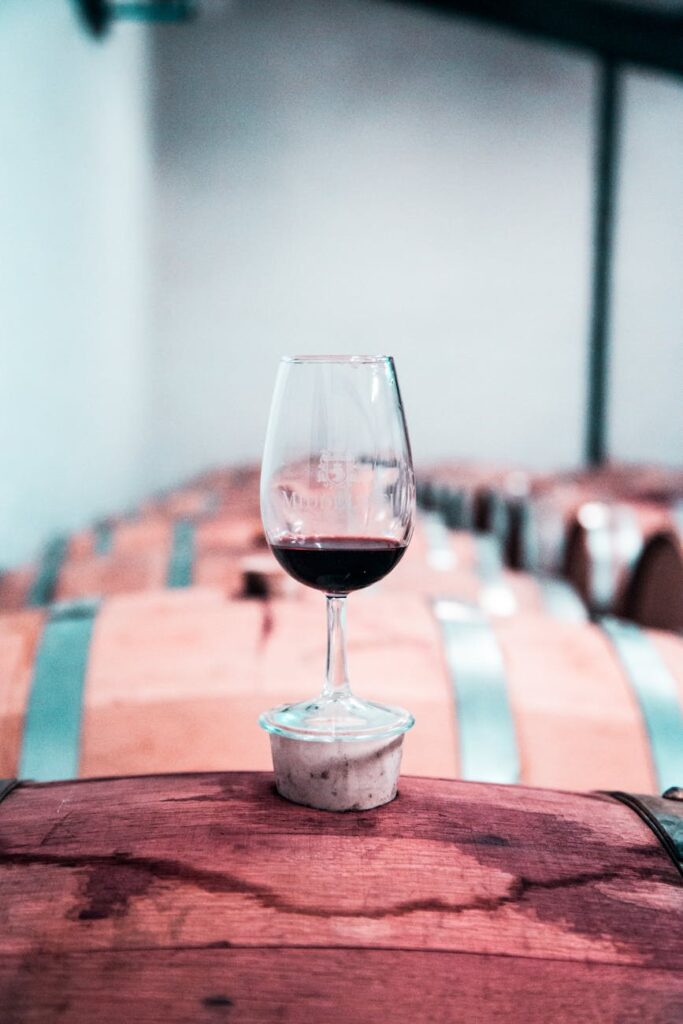
The Cape Winelands sits within the Western Cape province of South Africa, a region blessed with a Mediterranean climate that produces ideal growing conditions for a wide range of grape varietals. The combination of warm, dry summers, cool Atlantic breezes, and mineral-rich soils creates wines with exceptional depth and character.
Beyond the wines themselves, the landscape is simply breathtaking. Jagged mountain ranges frame fertile valleys, whitewashed Cape Dutch homesteads dot vineyard estates, and fragrant fynbos wildflowers colour the hillsides. The towns of Stellenbosch, Franschhoek, and Paarl serve as the region’s cultural and culinary anchors, each offering its own distinct personality and flavour.
—
Stellenbosch Wine Tour: A Journey Through South Africa’s Wine Capital
No visit to the Cape Winelands is complete without embarking on a Stellenbosch wine tour. Stellenbosch is arguably South Africa’s most famous wine town, home to over 200 wineries and estates spanning a variety of styles and price points. Founded in 1679, it’s also one of the country’s oldest towns, giving it a historic charm that enhances every visit.
Top Wineries to Visit in Stellenbosch
Delaire Graff Estate sits atop the Helshoogte Pass and offers panoramic views alongside elegant Cabernet Sauvignon and Chardonnay. The estate’s luxury lodges, art collection, and acclaimed restaurant make it a full-day experience worth every moment.
Rust en Vrede is beloved by wine purists for its serious, structured red wines, particularly its iconic Estate Wine — a Cabernet-dominant Bordeaux blend that has graced the tables of world leaders and fine dining establishments across the globe.
Tokara Wine Estate is another firm favourite, combining excellent wines with an outstanding deli and contemporary art gallery. Their Director’s Reserve White and Red blends consistently receive international acclaim.
How to Plan Your Stellenbosch Wine Tour
For first-time visitors, joining a guided wine tour is highly recommended. Local operators typically offer half-day or full-day experiences, visiting three to five estates with expert commentary on the winemaking process, grape varietals, and regional history. Self-drive options are also popular, but visitors should always designate a sober driver or arrange a trusted driver service.
The Stellenbosch Wine Routes are divided into six sub-routes — Bottelary, Devon Valley, Helderberg, Jonkershoek, Simonsberg, and Stellenbosch Berg — each offering a slightly different terroir and wine style. Pick up a map from the Stellenbosch Wine Route offices in town and plan your itinerary around your personal taste preferences.
—
Franschhoek Restaurants: Where Fine Dining Meets Vineyard Views
If Stellenbosch is the wine capital of the Cape Winelands, then Franschhoek is undeniably its culinary crown jewel. This charming village — whose name means “French Corner” in Dutch — was settled by French Huguenot refugees in the late 17th century, and that heritage of refinement and gastronomy lives on today. The Franschhoek restaurants scene is without question one of the finest in all of Africa.
Must-Visit Franschhoek Restaurants
The Test Kitchen at Leeu Confluence brings the legendary culinary vision of chef Luke Dale-Roberts to a spectacular riverside setting. The multi-course tasting menu showcases South African ingredients elevated to extraordinary heights, with wine pairings sourced from the valley’s finest estates.
Maison is a favourite for long, leisurely lunches on the vine-draped terrace. Their menu champions local produce with French-inspired technique, and the homemade charcuterie and artisan cheese selection perfectly complement wines poured from their own cellar.
Foliage at Franschhoek Cellar has earned a devoted following for its farm-to-table philosophy, with seasonal menus that change regularly to reflect what’s growing in the garden and available from local farmers. Chef Chris Erasmus is a household name in South African gastronomy.
La Petite Ferme perches on the hillside above the valley, offering sweeping vineyard views alongside beautifully crafted dishes like springbok carpaccio, slow-roasted Karoo lamb, and decadent chocolate fondant. Their own-label wines are modest but impressive.
Franschhoek Experiences Beyond the Table
While the restaurants are a compelling reason to visit Franschhoek on their own, the village offers much more. The Franschhoek Motor Museum houses one of the world’s finest private collections of vintage vehicles. The Huguenot Memorial Museum chronicles the fascinating story of the settlers who shaped the valley. Boutique galleries, artisan chocolate shops, and independent bookstores line the main street, making for a delightful afternoon of wandering.
—
South Africa Wine Tasting: Tips for Getting the Most From Your Visit
South Africa wine tasting experiences are generally more accessible and affordable than their equivalents in Bordeaux, Napa Valley, or Burgundy, which makes the Cape Winelands an incredible value destination for wine lovers. Here are some practical tips to maximise your experience:
– Visit during harvest season (February to April) to see the vineyards in full production and attend harvest festivals.
– Book restaurant tables well in advance, especially for weekend lunches at top Franschhoek establishments — some require reservations months ahead.
– Explore beyond the well-known estates. Smaller, boutique producers often offer more personal experiences and hidden gem wines at lower prices.
– Try the local varietals. South Africa’s signature grape, Pinotage, is a cross between Pinot Noir and Cinsault developed locally in the 1920s. Chenin Blanc, known locally as Steen, also produces exceptional results in the region’s warm climate.
– Consider staying overnight. Many wine estates offer luxury accommodation, allowing you to fully immerse in the vineyard lifestyle without the pressure of driving back to Cape Town.
—
Getting to the Cape Winelands
The Cape Winelands is conveniently located within easy reach of Cape Town International Airport. Stellenbosch is approximately 45 minutes by car, while Franschhoek is about 75 minutes. A number of coach and shuttle services operate from Cape Town daily, and private transfers can be arranged through most hotels and guesthouses in the region.
—
A Region That Stays With You
The Cape Winelands is one of those rare destinations that manages to be simultaneously laid-back and deeply impressive. The wines are world-class, the food is extraordinary, the scenery is jaw-dropping, and the people are warm and welcoming. Whether you spend a single afternoon on a Stellenbosch wine tour or devote a full week to exploring every valley and cellar the region has to offer, you will leave with a deeper appreciation for what South Africa has to offer — and almost certainly, a bottle or two tucked into your luggage for the journey home.