Your Complete Kilimanjaro Trekking Guide: Routes, Costs & Expert Tips
What Every Climber Needs to Know Before Setting Foot on Africa’s Roof
Kilimanjaro trekking guide resources are everywhere online, but very few give you the honest, practical information you actually need before investing thousands of dollars and weeks of preparation into one of the world’s most iconic climbs. Standing at 5,895 meters (19,341 feet) above sea level, Mount Kilimanjaro is Africa’s highest peak and the tallest free-standing mountain on Earth. Every year, approximately 35,000 people attempt to reach Uhuru Peak — yet only around 65% succeed. The difference between those who summit and those who turn back often comes down to preparation, route selection, and knowing what to expect before you start.
This guide covers everything — from choosing the right route to budgeting your climb, packing smart, and understanding the physical demands of Tanzania mountain climbing at altitude.
—
Understanding Kilimanjaro: The Basics
Kilimanjaro sits in northeastern Tanzania, near the border with Kenya. It’s a dormant stratovolcano made up of three volcanic cones: Kibo, Mawenzi, and Shira. Uhuru Peak, the highest point, sits on the Kibo cone and is what most climbers are aiming for.
Unlike many of the world’s high-altitude peaks, Kilimanjaro requires no technical climbing skills or previous mountaineering experience. There are no ropes, no crampons (on most routes), and no rock faces to scale. What makes it challenging is the altitude. The rapid gain in elevation means altitude sickness is a very real and very serious risk — one that no level of physical fitness can entirely prevent.
—
Kilimanjaro Routes Comparison: Choosing Your Path to the Summit
One of the most important decisions you’ll make is selecting your route. Here is a practical Kilimanjaro routes comparison to help you decide.
1. Marangu Route — “The Coca-Cola Route”
Duration: 5–6 days
Difficulty: Moderate
Success Rate: ~50–55%
Marangu is the only route with sleeping huts, making it slightly more comfortable. However, it’s also the most trafficked route and has a notoriously low success rate due to its shorter acclimatization schedule. It’s best suited for those who are budget-conscious and have previous high-altitude experience.
2. Machame Route — “The Whiskey Route”
Duration: 6–7 days
Difficulty: Moderate to challenging
Success Rate: ~85–90%
Machame is the most popular route for a reason — it offers excellent acclimatization with its “climb high, sleep low” profile and stunning, varied scenery. If this is your first Kilimanjaro attempt, Machame is widely recommended by experienced guides.
3. Lemosho Route
Duration: 7–8 days
Difficulty: Moderate to challenging
Success Rate: ~90%
Lemosho is considered one of the most scenic and best-acclimatizing routes. Starting from the western side of the mountain, it’s less crowded, longer, and gives your body more time to adapt. It’s ideal for those who want the best possible chance of summiting.
4. Rongai Route
Duration: 6–7 days
Difficulty: Moderate
Success Rate: ~80%
The only route that approaches from the north (Kenya side), Rongai is less busy and offers a slightly drier climate. It’s a great option for those seeking a quieter experience with solid summit success rates.
5. Northern Circuit
Duration: 9–10 days
Difficulty: Moderate
Success Rate: ~95%+
The Northern Circuit is the longest route and has the highest success rate of all. It circles almost the entire mountain, providing exceptional acclimatization time. If your schedule and budget allow, this is the premium choice.
—
How to Climb Kilimanjaro: Physical Preparation
Knowing how to climb Kilimanjaro starts well before you arrive in Tanzania. Many people underestimate the physical demands of altitude trekking, especially when compared to regular hiking.
Training Recommendations
Start preparing at least 3–6 months in advance. Your training should include:
– Cardiovascular fitness: Long-distance hiking, running, cycling, or swimming. Build up to 3–4 sessions per week.
– Leg strength: Squats, lunges, step-ups, and stair climbing under load.
– Load-bearing hikes: Practice hiking with your pack, gradually increasing the weight to 10–15 kg.
– Elevation training: If possible, complete weekend hikes on hills or mountains. This helps your body begin adapting to reduced oxygen levels.
Even highly fit athletes can suffer from altitude sickness. There is no guaranteed prevention, but being in strong cardiovascular shape means you’ll cope with the challenge far better than someone who hasn’t trained.
—
Costs: Budgeting for Your Tanzania Mountain Climbing Adventure
Tanzania mountain climbing costs are significant, but understanding what you’re paying for helps you budget wisely and avoid hidden surprises.
Breakdown of Typical Kilimanjaro Costs
| Expense | Estimated Cost (USD) |
|—|—|
| Budget operator (6–7 days) | $1,500 – $2,200 |
| Mid-range operator | $2,200 – $3,500 |
| Premium operator | $3,500 – $6,000+ |
| Park fees (included in most packages) | ~$700–$900 |
| Guide and porter tips | $200–$400 |
| Flights to Kilimanjaro International Airport | $600–$1,800 (varies) |
| Gear rental or purchase | $200–$600 |
Park fees are mandatory and are set by the Tanzanian National Parks Authority (TANAPA). They cover conservation fees, camping or hut fees, and rescue fees. Reputable operators include these in their package prices — always confirm this before booking.
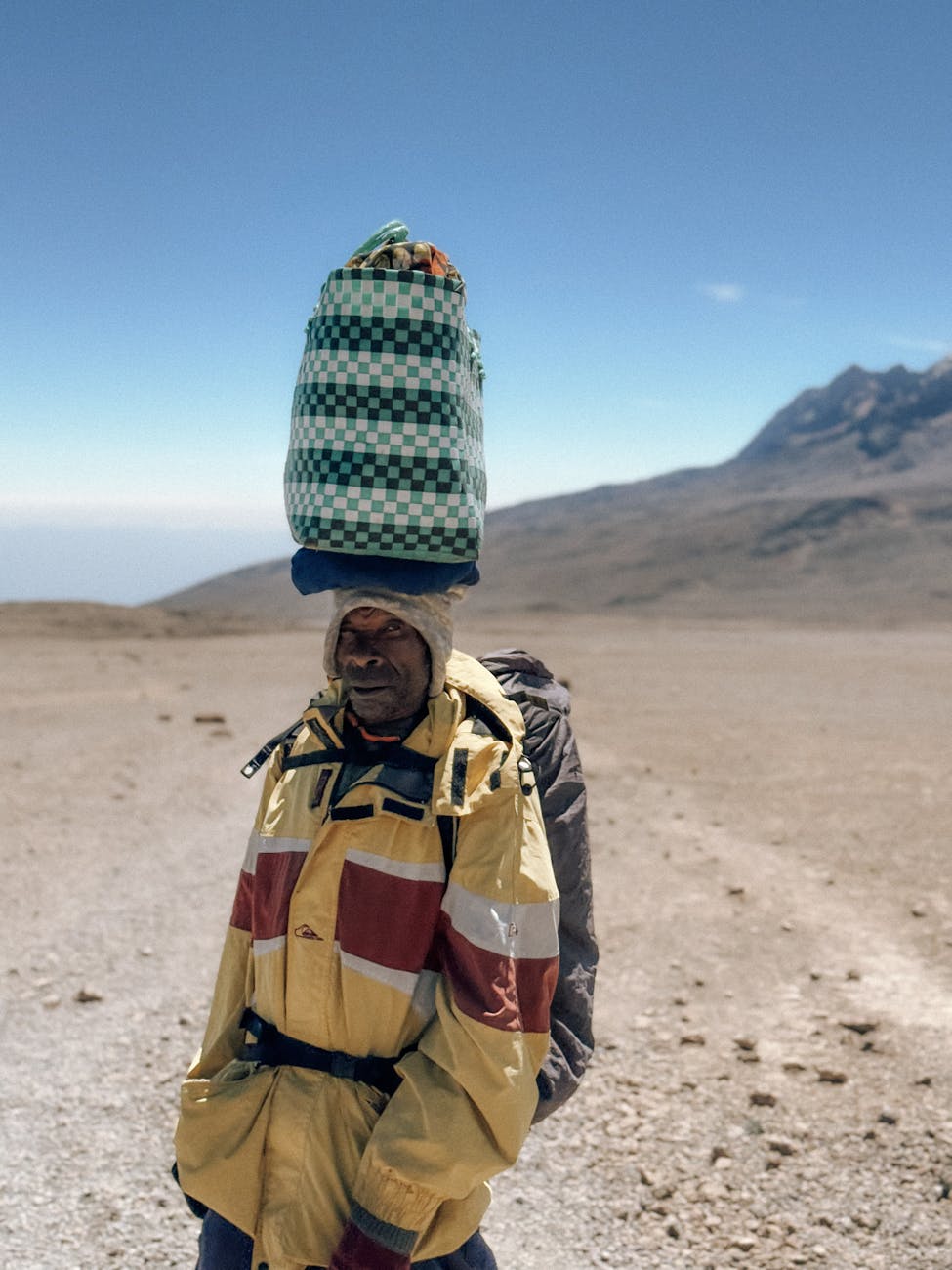
Important tip: Avoid extremely cheap operators. Cutting costs on your guide operator can put your safety at risk. Guides must be licensed, and quality companies pay their porters fair wages, provide adequate equipment, and have experienced summit guides who know how to handle altitude sickness emergencies.
—
Essential Gear for Kilimanjaro
Packing correctly can make or break your summit attempt. Temperatures on Kilimanjaro range from a warm 30°C (86°F) at the base to -20°C (-4°F) at the summit crater rim during the night ascent.
Must-have gear includes:
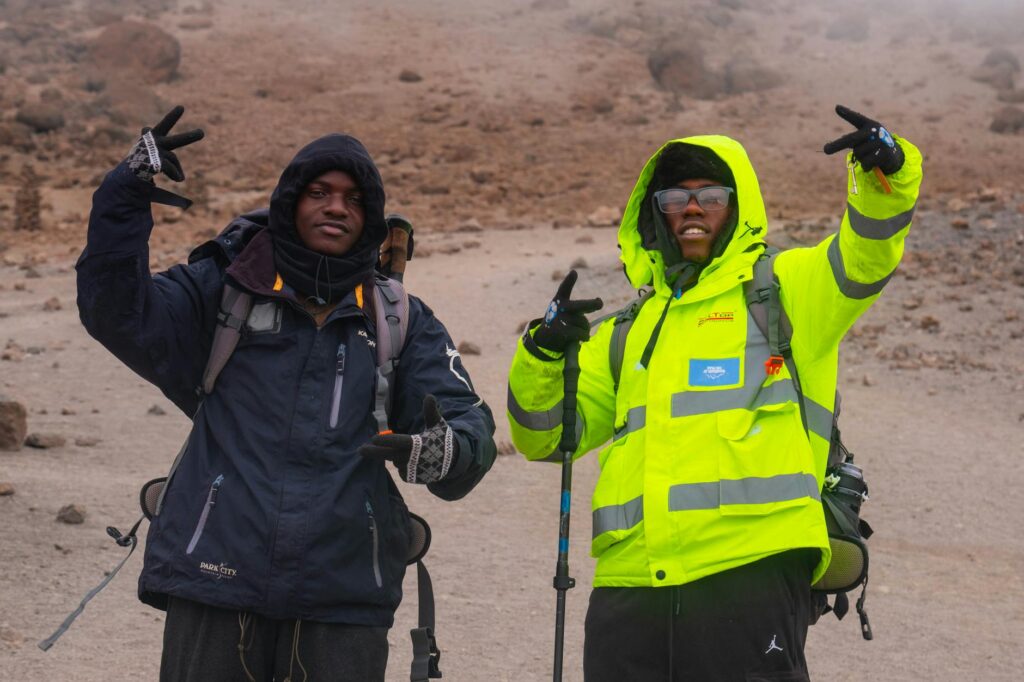
– Layering system: Base layer (moisture-wicking), mid-layer (fleece), and outer shell (waterproof, windproof jacket and pants)
– Gloves and hat: Insulated gloves and a warm beanie are non-negotiable for summit night
– Boots: Waterproof, well-broken-in hiking boots with ankle support
– Sleeping bag: Rated to at least -10°C, ideally lower
– Trekking poles: Strongly recommended — they reduce knee strain by up to 30% on descents
– Headlamp: Essential for the 11 PM–1 AM summit push start, with extra batteries
– Water bottles or hydration bladder: Staying hydrated is critical at altitude
– Sunscreen and sunglasses: UV radiation is intense above 4,000 meters
—
Altitude Sickness: The Honest Truth
No matter how fit you are, altitude sickness does not discriminate. Symptoms of Acute Mountain Sickness (AMS) include headache, nausea, dizziness, fatigue, and poor sleep. More severe forms — High Altitude Pulmonary Edema (HAPE) and High Altitude Cerebral Edema (HACE) — can be life-threatening.
What you can do:
– Choose a longer route with more acclimatization days
– Climb slowly — “pole pole” (Swahili for “slowly slowly”) is the Kilimanjaro mantra
– Stay hydrated: Drink 3–4 liters of water per day
– Consider Diamox (acetazolamide): Consult your doctor about this altitude sickness prevention medication before your trip
– Communicate symptoms: Never hide how you’re feeling from your guide
—
Best Time to Climb Kilimanjaro
The two best windows for climbing are:
– January to mid-March: Drier, less crowded, and cold but clear
– June to October: The peak season, with excellent visibility and stable weather
Avoid April, May, and November — these are the heavy rainy seasons and significantly increase trail difficulty and risk.
—
Final Expert Tips for a Successful Summit
1. Book with a reputable operator — Read reviews on TripAdvisor, check operator membership in the Tanzania Association of Tour Operators (TATO).
2. Tip your crew generously — Guides and porters work incredibly hard. Budget $200–$400 for tips.
3. Take summit night seriously — It’s cold, dark, and mentally grueling. Wear every layer you have.
4. Rest at camp, don’t explore — Save your energy for the climb.
5. Celebrate, but don’t linger — Take your summit photo and begin descending. Conditions can change rapidly, and the risks continue until you’re below 4,000 meters.
Kilimanjaro is a life-changing adventure. With the right preparation, a solid route choice, and a respectful approach to altitude, the roof of Africa is absolutely within your reach.
—
Always consult a travel medicine specialist before undertaking high-altitude trekking, and ensure you have comprehensive travel insurance that covers emergency evacuation.