Discover Europe’s Most Breathtaking Stunning Scenery
Norwegian Fjords Travel Guide: Everything You Need to Know
Norwegian fjords travel guide resources often promise extraordinary adventures, but nothing truly prepares you for the moment you first lay eyes on these magnificent waterways carved into Norway’s ancient landscape. Towering cliffs rise hundreds of meters above glassy waters, cascading waterfalls plunge from snowy peaks, and tiny villages cling to cliffsides like something out of a fairy tale. Whether you’re a seasoned traveler or planning your first European adventure, the Norwegian fjords represent one of the most awe-inspiring natural spectacles on the planet.
This comprehensive guide will walk you through everything you need to know to plan an unforgettable trip — from the best fjords in Norway to cruise options, seasonal advice, and insider tips that will help you make the most of every moment.
—
What Makes Norwegian Fjords So Special?
Fjords are deep, narrow inlets carved by glaciers over millions of years. Norway has more fjords than any other country on Earth, with the coastline stretching nearly 100,000 kilometers when every inlet and island is counted. The dramatic contrast between deep blue waters and soaring granite cliffs creates landscapes that have inspired artists, explorers, and poets for centuries.
UNESCO recognized the exceptional beauty of this region by placing the Geirangerfjord and Nærøyfjord on its World Heritage List in 2005 — a distinction shared with sites like the Taj Mahal and the Great Barrier Reef. This alone tells you something about the caliber of scenery you can expect.
—
Best Fjords in Norway: Where to Focus Your Journey
Geirangerfjord
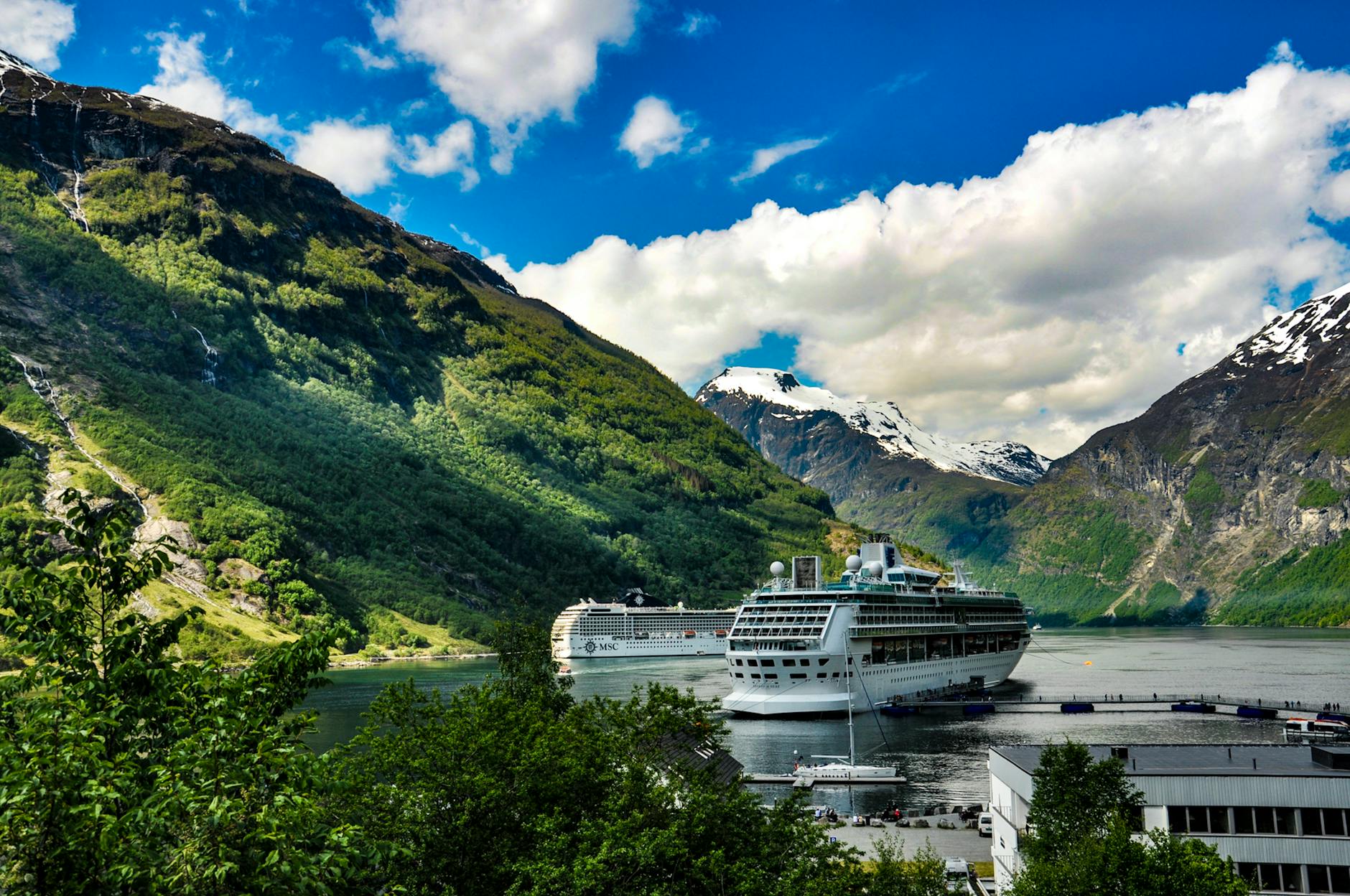
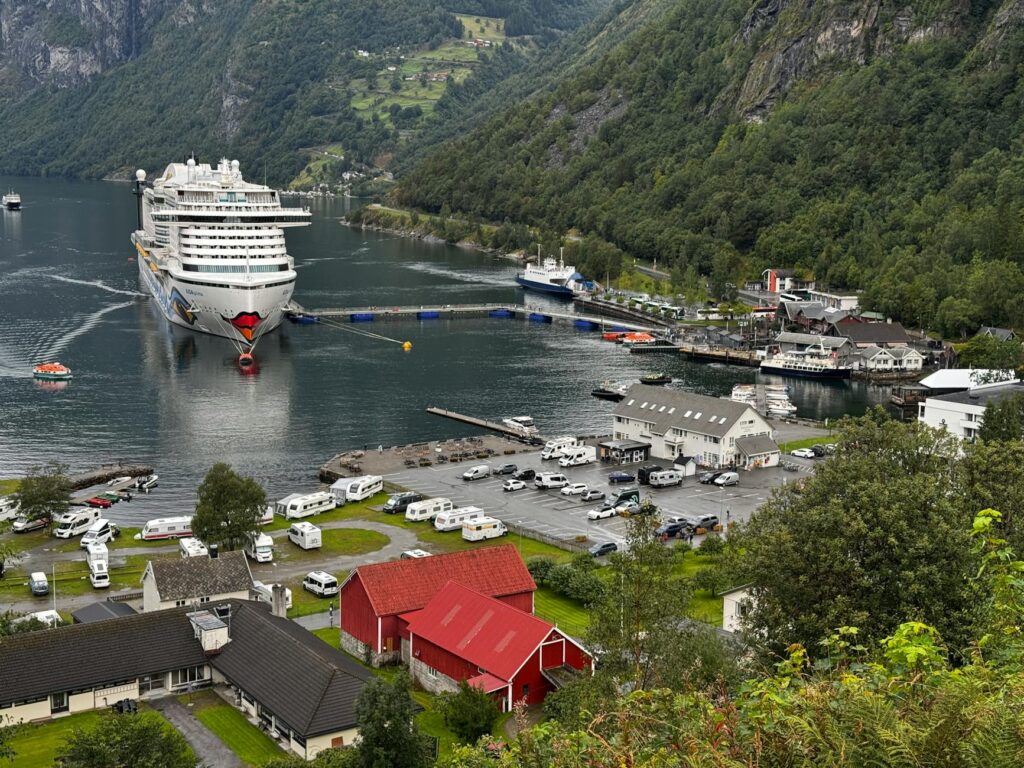
The Geirangerfjord guide is perhaps the most celebrated chapter in any Norwegian travel story. Stretching approximately 15 kilometers in length, Geirangerfjord is famous for its emerald-green waters, dramatic waterfalls like the Seven Sisters and the Suitor, and the lush green hillsides that frame its shores. The village of Geiranger at the innermost tip of the fjord is a charming hub of activity during summer, with boat tours, kayaking, and hiking trails all on offer.
The viewpoints at Dalsnibba and Ørnesvingen (Eagle Road) offer panoramic perspectives that photographers dream about. Don’t miss the Flydalsjuvet viewpoint, where you can capture the iconic image of a cruise ship dwarfed by the immense scale of the surrounding cliffs.
Nærøyfjord
Nærøyfjord is the narrowest fjord in Europe, in some places measuring just 250 meters wide between walls that rise over 1,700 meters above sea level. This UNESCO-listed waterway is part of the Sognefjord system — Norway’s longest and deepest fjord — and offers an almost claustrophobic sense of natural grandeur. The village of Flåm nearby is an excellent base, and the world-famous Flåm Railway winds dramatically through mountain scenery to the town of Myrdal.
Hardangerfjord
Known as the “Queen of the Fjords,” Hardangerfjord stretches over 180 kilometers and is famous for its blossoming orchards in spring. When the apple and cherry trees flower against the backdrop of snow-capped mountains, the scenery is nothing short of magical. This is one of the best fjords in Norway for cycling, with well-maintained routes connecting charming villages along the shoreline.
Sognefjord
As the longest fjord in Norway (and the second longest in the world at over 200 kilometers), Sognefjord commands attention. Its depth reaches nearly 1,300 meters, making it a humbling reminder of geological timescales. The Jostedalsbreen Glacier, Europe’s largest mainland glacier, is accessible from this region and adds another layer of natural wonder to any itinerary.
—
Norway Fjord Cruise: The Ultimate Way to See It All
A Norway fjord cruise remains one of the most popular and rewarding ways to experience these waterways. Whether you choose a large international cruise liner or a smaller, more intimate expedition vessel, the experience of sailing through the fjords is simply unforgettable.
Large Cruise Ships
Companies like Hurtigruten, MSC Cruises, and Viking Ocean Cruises offer Norwegian fjord itineraries that typically depart from Bergen or Oslo. These voyages often combine multiple fjords, allowing you to experience the diversity of the landscape in one trip. On-board amenities are excellent, and guided shore excursions make it easy to explore each port of call.
Hurtigruten: The Classic Norwegian Route
Hurtigruten is arguably the most iconic way to cruise Norway’s coast. Originally a postal and passenger service connecting remote coastal communities, Hurtigruten now offers travel experiences that sail from Bergen to Kirkenes — a 12-day journey that passes through dozens of ports and some of the most remote and beautiful scenery in Europe. For travelers who want an authentic, locally grounded experience, this is unbeatable.
Small-Group and Kayak Tours
For those who prefer a more intimate and active experience, small-group fjord tours and kayaking expeditions place you directly on the water at a human scale. Paddling silently beneath towering cliffs, listening to waterfalls echo across the water — these are experiences that simply cannot be replicated from the deck of a large ship.
—
When Is the Best Time to Visit?
Norway’s fjord season runs from late spring through early autumn, with peak tourism occurring in July and August. Here’s a seasonal breakdown:
– May to June: Fewer crowds, long daylight hours, and the spectacular phenomenon of waterfalls at their most powerful as snowmelt feeds the rivers above. Spring flowers add color to the landscape.
– July to August: Peak season with the warmest weather and the widest range of activities available. Book accommodations and tours well in advance.
– September to October: Autumn brings golden foliage, cooler temperatures, and significantly fewer tourists. An excellent time for photographers.
– November to April: Most fjord tourist services close, but winter offers the extraordinary possibility of seeing the Northern Lights reflected in still fjord waters — an experience that rivals anything summer can offer.
—
Practical Tips for Planning Your Norwegian Fjords Trip
Getting There: Bergen is the traditional gateway to the fjords, served by international flights from across Europe and beyond. Oslo is another popular starting point, with excellent train connections to Bergen via the famous Bergensbanen railway.
Getting Around: The fjords are best explored by a combination of ferries, local buses, and rental cars. Norway’s ferry network is extensive and reasonably priced, and road tunnels connect many areas that would otherwise be inaccessible. The Scenic Routes Norway program designates 18 stretches of road specifically chosen for their extraordinary scenery.
Accommodation: Options range from international chain hotels in Bergen and Flåm to intimate guesthouses (pensjonater) and farm stays (gårdsbruk) tucked into remote valleys. Camping is also extremely popular, and Norway’s “allemannsretten” (right to roam) laws mean you can set up a tent almost anywhere in nature.
Budget: Norway is one of Europe’s more expensive destinations. A mid-range traveler can expect to spend approximately €150–250 per day including accommodation, meals, and activities. Budget carefully, but don’t let cost deter you — the experience is genuinely priceless.
—
Why the Norwegian Fjords Should Be at the Top of Your Bucket List
Few places on Earth offer such a concentrated dose of natural beauty, cultural authenticity, and outdoor adventure. The Norwegian fjords are not merely scenic — they are transformative. Standing at the edge of Geirangerfjord, watching mist curl between ancient mountains, it becomes impossible to feel anything but profound gratitude for the natural world.
Whether you’re sailing on a Norway fjord cruise, cycling along the shores of Hardangerfjord, or hiking above Nærøyfjord with nothing but the sound of the wind and distant waterfalls for company, the fjords have a way of resetting your perspective and reminding you what truly matters.
Plan carefully, travel respectfully, and prepare to be utterly amazed.